Biochar, a carbon-rich material, is gaining recognition for its potential in carbon sequestration and promoting a circular economy. Understanding its structure, the science of biomass pyrolysis, and the diversity of biomass sources is key to appreciating its transformative power.
Biochar and Carbon Credits: A Symbiotic Relationship
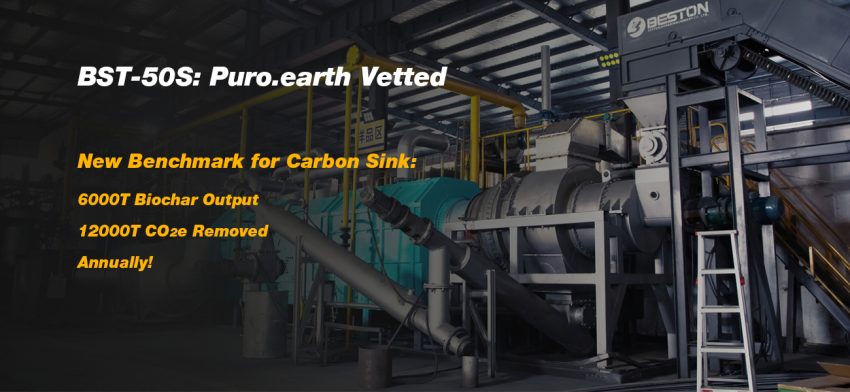
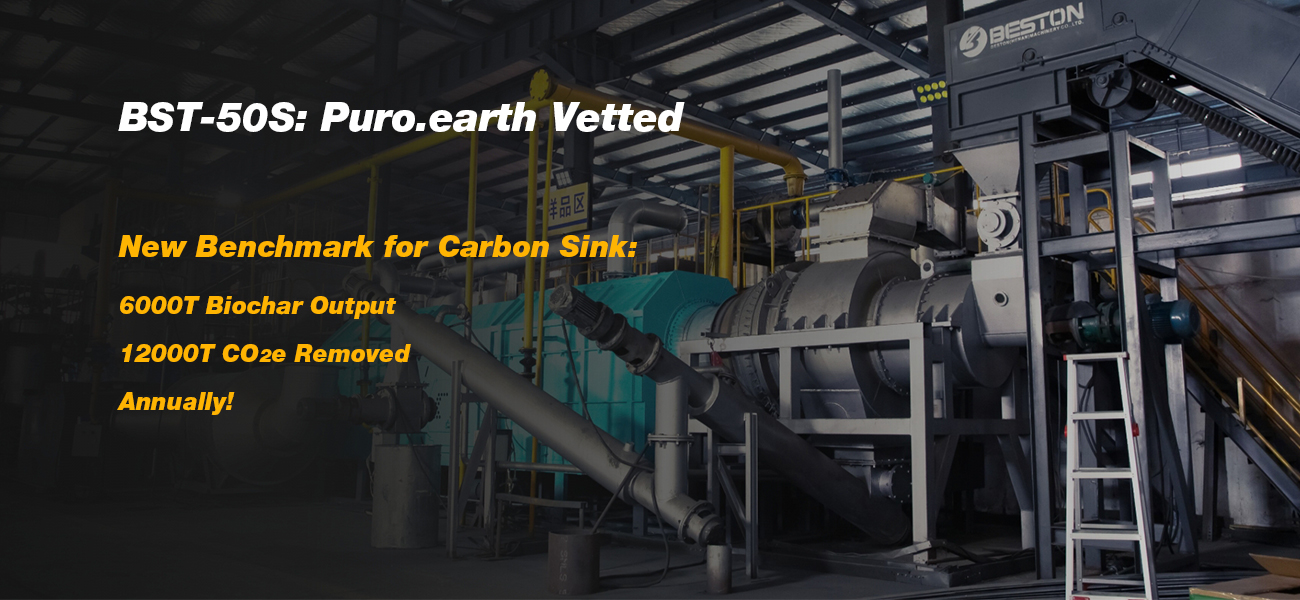
Biochar’s ability to capture and store carbon makes it an effective tool for carbon offsetting, opening opportunities for earning carbon credits. Its recognition as a carbon sink in trading markets underscores its importance in sustainable development and climate action. This is impossible without the efforts of biochar pyrolysis equipment.
Quantifying Carbon Sequestration
Studies reveal biochar can lock away substantial amounts of carbon for long periods. These metrics provide a precise understanding of its role in mitigating climate change.
Challenges and Opportunities
Integrating biochar into carbon credit systems involves navigating regulations, market dynamics, and evolving project frameworks. Understanding these challenges helps optimize its implementation.
The Structure of Biochar
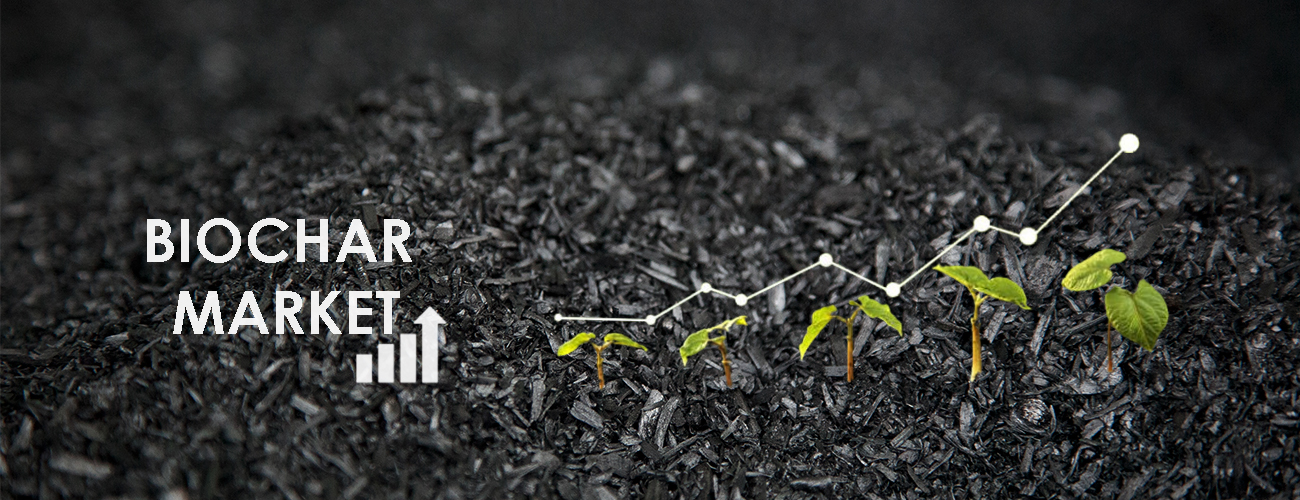
At a microscopic level, biochar produced by biochar machine resembles a sponge, filled with pores and channels. This structure increases surface area, enhances carbon absorption, and provides habitats for microbial activity, making biochar highly efficient as a carbon sink.
Stability and Longevity
Unlike ordinary organic matter, biochar remains stable over time, offering a long-term solution for carbon storage and sustainable soil enhancement.
Beyond Carbon: Multifaceted Benefits
Biochar improves soil health by enhancing nutrient retention, water-holding capacity, and supporting plant growth, making it a holistic tool for sustainable agriculture.
The Alchemy of Biomass Pyrolysis
Biochar is created through biomass pyrolysis machine, a process that heats biomass (such as agricultural residues or forestry by-products) to 400–700°C in the absence of oxygen. This prevents complete combustion, resulting in carbon-rich biochar.
Temperature and Quality
Precise control of temperature and residence time is crucial. Small variations significantly affect biochar quality, highlighting the craftsmanship in its production.
By-Products and Bioenergy
Pyrolysis also generates gases and bioenergy, creating a dual-benefit system. This synergy enhances economic viability while promoting sustainable energy solutions.
Diverse Biomass Sources
Biochar can be made from a wide range of biomass sources:
- Agricultural residues: Crop residues and straw transform waste into carbon sinks.
- Forestry by-products: Wood chips, sawdust, and other wood waste can be repurposed sustainably.
- Organic waste: Turning food and organic waste into biochar supports a circular economy.
Biochar in the Circular Economy
Biochar exemplifies circular economy principles by converting waste into valuable resources. It closes the loop on biomass residues and contributes to sustainable soil management.
Soil Health and Agriculture
Biochar improves nutrient availability, soil structure, and water retention, supporting regenerative agriculture practices.
Economic Viability
Beyond environmental benefits, biochar supports sustainable economic practices by enhancing agriculture, carbon management, and waste utilization.
Conclusion
Biochar integrates carbon sequestration, pyrolysis science, biomass utilization, and circular economy principles into a single sustainable solution. Its ability to mitigate climate change, enhance soil health, and transform waste makes it a powerful tool for a greener future. Biochar is more than carbon—it is a pathway to harmony between humanity and the environment. More in Beston Group.